
Long flight connection in NYC? This is how to get around JFK and LaGuardia Airports quickly
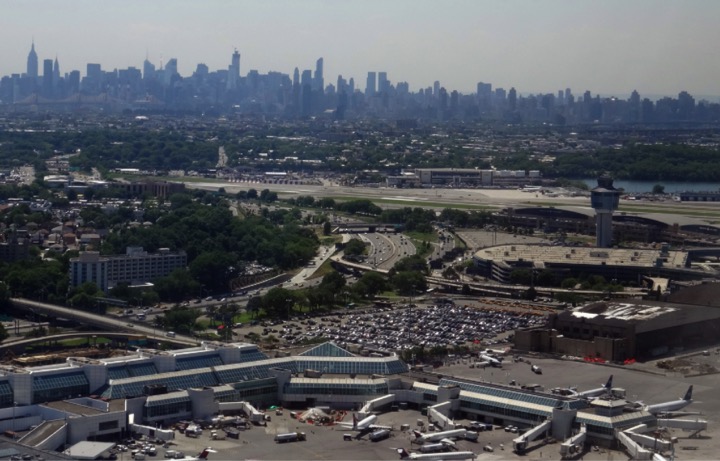
Corona, Queens, is the midtown’s rich cultural land bordered by Flushing Meadows, Forest Hills, and Elmhurst. This neighborhood is in the vicinity of LGA and JKF airports.
If planned to have comfy drives with your family to the city and neighborhoods, A car service company serves the best purpose. You can get around the city and neighborhoods easily. Top-notch drivers of Corona drop to your destinations taking fastest routes and driving smartly.
There are other means of transportation to plan your trip. They are relatively cheaper than car services and are equally complementary with their efficacious features. However, car services provide a high degree of safety and comfort than others.
Other Transportation
Airport shuttles, public buses, and subway trains in Corona are other transportation options. The common cons of these means of transportation are as follows:
- Traffic congestion and transfers/stopovers.
- Need to get on jammed fleets and wait for the boarding points.
- Should whisk to the airport/station with your family and the backpacks.
- Sometimes covering all destinations within the trip may be cumbersome.
- There is possibility of entering the incorrect route (carry maps to prevent this).
- It would be a hard slog for traveling at unfavorable weather times.
- Flexibility depends on geographical differences and degree of access.
Car versus Other Transportation
Hiring cabs eliminates the above pitfalls that planned comfortable trips are right at your discretion. In other words, the pros of cabs over the others are as follows:
- Traffic congestion may be avoided by taking shortcuts and sojourns may be planned.
- No crowded situation and no intermediate delays.
- Comfortable travel with your family and the backpacks (no lugging).
- Time saving option, yet covers all destinations within the trip.
- Even newbie drivers can prevent entering the wrong route with their system maps.
- Customer friendly travel even at unfavorable weather times.
- High flexibility with customized requirements.
Facets of Car Service Corona
A suite of car services in Corona offer affordable packages and private charters for specific purposes, say, official trips and bands. Some of the prominent leaders are Cooperative, Mexicana, and Santo Domingo. You can schedule for delicious meals at restaurants, events, neighborhood visits, and more with Car Service Corona. Sight visits of the city from the car are just wonderful, which saves time not needing to get on to specific sites. Car Service Corona provides shared, nonstop, and private booking for the customers.
Enjoy getting anywhere in the city, just type Car Service near me and you’ll get several car companies to take you to all the desired destinations. Happy traveling!
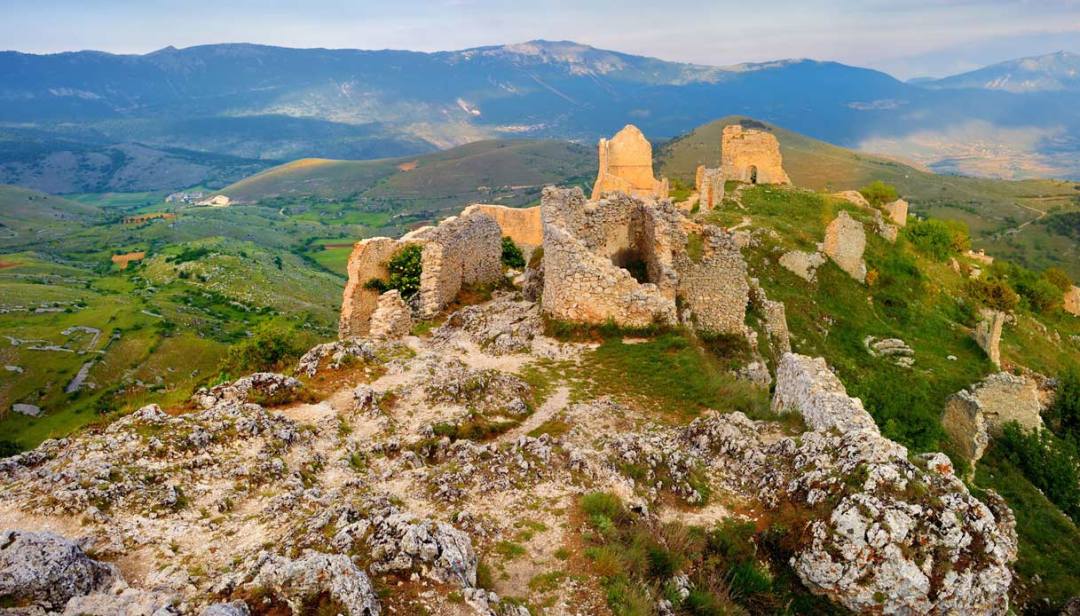

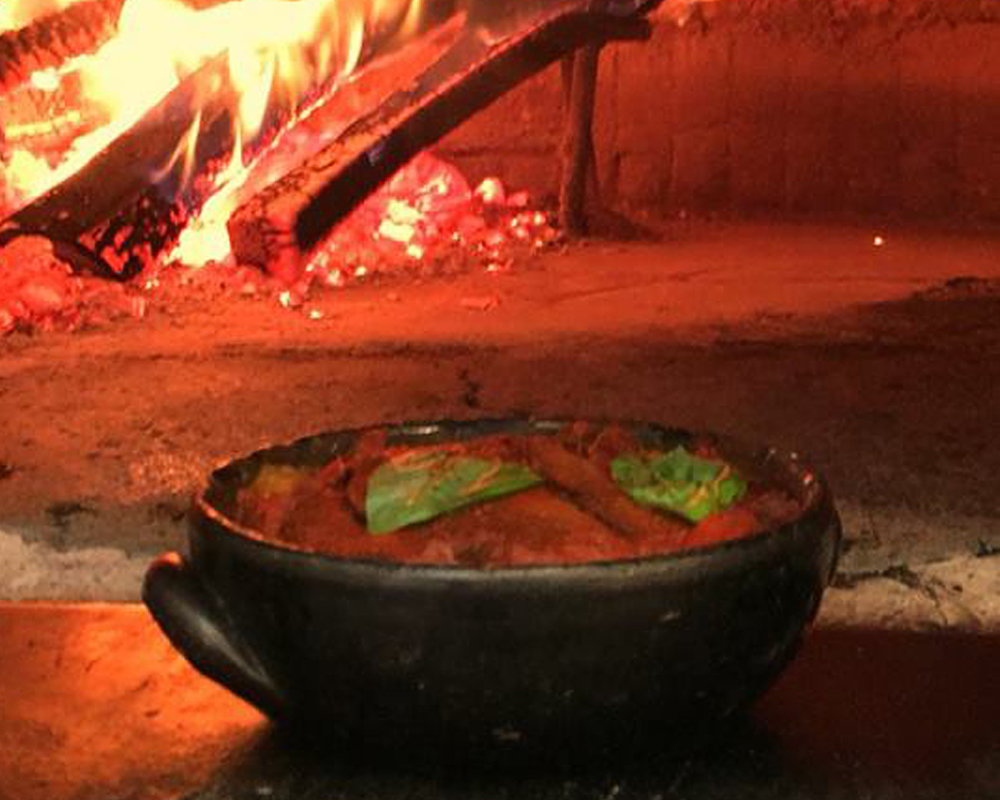

 For the many tourists who will set foot in Palermo in 2018, the question will be inevitable: “What is that castle, up there?”. And with the question, after some embarrassed stuttering, the world’s fool will also be inevitable.
 The peasant world (and not only) is celebrating. Fico , acronym for the first and only “Italian peasant factory” has come to life in the suburbs of Bologna : 10 hectares filled with all knowledge and flavor linked to food. It is the Italian Disneyland of food, the largest agri-food park in the world, on which 120 million euros have been invested, of which one half cash and the other in public lands: institutional money (pension funds and coop) and Eataly brand , to tell the operation in a few words.
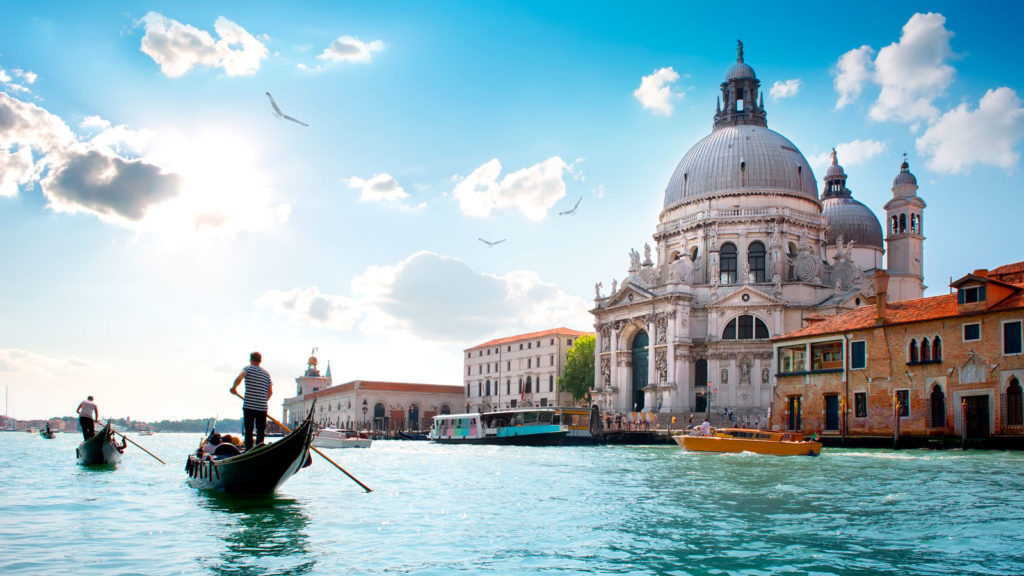
 The tourist of Asian origins Luke Tang did not go right down the 560 euro bill that was seen in a restaurant in Venice for a meal based on fish, and to take the man’s defenses was the British newspaper Independent . In fact, the important English newspaper not only reported the news of the man’s misadventure – who lives in Birmingham – but instead drew up a veritable vademecum on how “do not get plucked on holiday in Italy”.
 The JFK airport in New York is a city. It has its rules and time flows differently. When you land you know you’ll have to queue. You do not know well what it is but you know it will be like that. There are many people who show you the way. “Go this way! Go this way!”. There is nothing religious, they only tell you where you will have to line up. If you are a US citizen, or a Canadian citizen. If it’s your first time in America or you’ve already been there.
 You say Berlin and the thought flies towards the Brandenburg Gate, touches the Victory Column, immortalized in the Sky over Berlin by Wim Wenders and lands among the remains of the Wall. But a city can not be just its postcard, however evocative. And if there is a place that fascinates us also for its “b-side”, that is precisely Berlin: the Berlin to which Christopher Isherwood stuck to the definition of “extraordinarily vicious city, even if civil and respectable”.